
Pallet Size Guide: How to Match Pallets to Your Block Machine Model
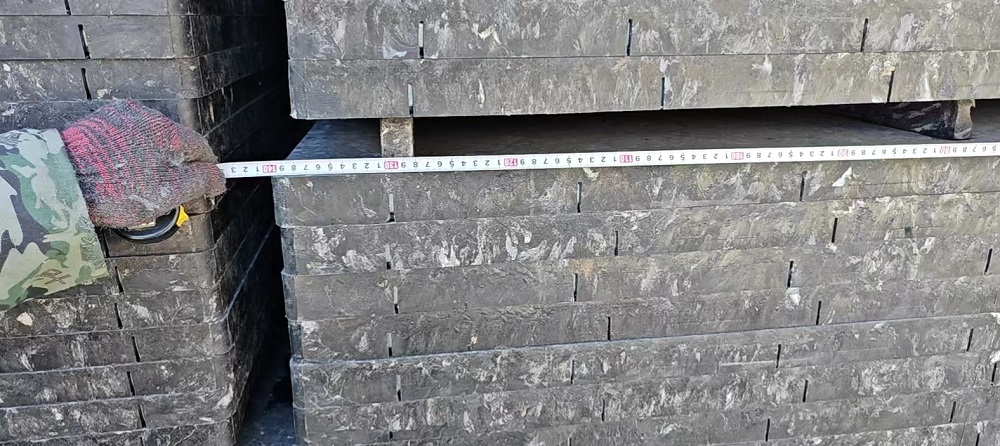
One of the most common (and most costly) mistakes in brick and block production isn’t a bad machine or bad material — it’s the wrong pallet size. A pallet that’s even a few millimeters off from what your machine expects can cause misalignment, uneven curing, jammed conveyors, or blocks that come out cracked before they’ve even left the machine.
The tricky part is that there’s no single global standard — pallet sizing depends on your machine brand, model, mold configuration, and sometimes even the block/paver type you’re producing. This guide walks you through exactly how to figure out the right size for your machine, without guesswork.
Why Pallet Size Matters More Than Most Buyers Realize
A block machine is built around precise tolerances. The pallet isn’t just a flat board — it interacts with:
- The mold/mould box, which sits directly on top of the pallet during forming
- The conveyor or curing rack system, which is built to a specific pallet footprint
- The demolding and stacking mechanism, which relies on consistent pallet thickness and rigidity
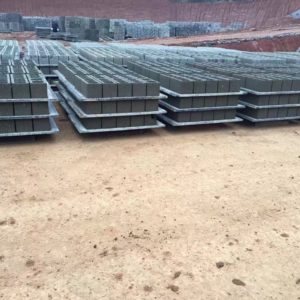 Pallets sit at the exact interface between the mold and the conveyor — precision here affects everything downstream.
If the pallet is even slightly undersized, oversized, or the wrong thickness, you’ll typically see one or more of these symptoms:
- Blocks with uneven edges or cracked corners right after forming
- Pallets that don’t sit flat, causing vibration issues during compaction
- Conveyor jams or misfeeds
- Faster wear on both the pallet and the machine’s guide rails
Step 1: Identify What Actually Determines Your Pallet Size
Before looking at any size chart, gather these four things — they determine the size you need far more than the machine “brand name” alone:
- Machine brand and model number. Even within the same brand, different model generations can use different pallet footprints.
- Mold/mould configuration. The number and layout of block cavities in your mold affects the pallet’s working area.
- Block or paver type. Standard hollow blocks, solid bricks, interlocking pavers, and curbstones often require different pallet dimensions and edge profiles.
- Production capacity per cycle. Higher-output machines generally run on larger pallet footprints to fit more blocks per cycle.
The most reliable source for the exact number is your machine’s technical manual or the pallet specification sheet from your machine manufacturer — this is the one document that removes all guesswork.
Step 2: Understand Common Size Categories
While exact dimensions vary by manufacturer, most block machine pallets fall into a few general size categories in the industry. Use this as a starting reference point, not a final answer:
| Category | Typical Length Range | Typical Width Range | Common Use |
|---|---|---|---|
| Small/manual machines | ~500–700mm | ~400–500mm | Small hollow blocks, manual or semi-auto machines |
| Mid-size automatic machines | ~800–1000mm | ~500–600mm | Standard hollow/solid blocks, most automatic machines |
| Large automatic machines | ~1000–1200mm+ | ~800–1000mm+ | High-output lines, large-format blocks, multi-cavity molds |
| Paver/curbstone machines | Varies widely by mold | Varies widely by mold | Interlocking pavers, curbstones — often custom sizing |
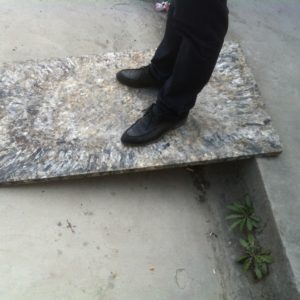 Hollow block pallets are typically sized to the mid-size automatic machine range.
Thickness matters just as much as length and width. Most composite and PVC pallets range from around 18mm to 30mm depending on load capacity — thinner pallets for lighter-duty machines, thicker pallets for high-pressure hydraulic presses.
Pallet Size Reference by Machine Model
If you know your machine’s brand and model, here’s a quick reference for commonly used pallet sizes we’ve supplied for. Always confirm against your own machine’s spec sheet before ordering, since sizing can vary slightly between production years and factory customizations — but this is a solid starting point:
| Machine Model | Pallet Size (L × W) | Notes |
|---|---|---|
| QT4-15 (domestic/China standard) | 880 × 500 mm | Common small automatic block machine |
| QT6-15 (domestic/China standard) | 880 × 680 mm | Mid-size automatic block machine |
| QT10-15 (domestic/China standard) | 1200 × 900 mm | Large automatic block machine |
| Honcha Herculis 12 | 1400 × 900 mm | — |
| Honcha Herculis 15 | 1400 × 1100 mm | Typically paired with 40mm thickness |
| VB4 (South Africa) | 1400 × 760 mm or 1400 × 840 mm | Two width options depending on configuration |
| HESS RH1400 | 1400 × 1100 mm | — |
| Zenith / Qunfeng ZN1500 | 1400 × 1200 mm | — |
*Don’t see your machine listed? These are just a few of the models we regularly supply pallets for — send us your brand and model and we’ll confirm the exact size and thickness.
Step 3: Measure Correctly If You Don’t Have the Spec Sheet
If your machine’s documentation isn’t available (common with older or secondhand machines), you can measure directly:
- Measure the usable mold-seating area on your current pallet — length and width, not including any lip or edge overhang.
- Measure overall thickness at the center and at the edge (some pallets are tapered).
- Check the hole or slot pattern, if your machine uses locating pins or guide rails — spacing here needs to match exactly.
- Note the weight capacity your current pallets are rated for, or estimate based on your wet block weight per cycle.
If possible, send these measurements (or clear photos with a tape measure in frame) to your pallet supplier — a good supplier can usually confirm compatibility from measurements alone, even without knowing your exact machine model.
Step 4: Don’t Assume “Universal” Pallets Are a Safe Default
Some suppliers market “universal” or “one-size-fits-most” pallets. These can work for very standard mid-size machines, but they’re a risk for:
- Older or regionally-specific machine models
- Custom mold configurations
- Paver, curbstone, or specialty block production
Buying a slightly wrong “universal” size to save time often costs more later — either in machine wear, defect rates, or having to reorder the correct size anyway.
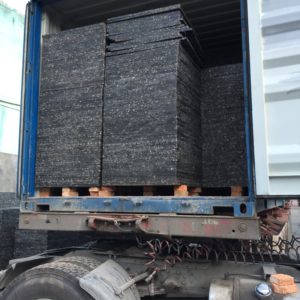 Getting the size and thickness right the first time avoids costly reordering and machine wear.
Quick Checklist Before You Order
- [ ] Machine brand, model, and (if available) production year
- [ ] Mold/mould configuration and block type
- [ ] Exact length, width, and thickness (measured or from spec sheet)
- [ ] Locating pin/slot pattern, if applicable
- [ ] Required load capacity based on wet block weight
Final Thoughts
Pallet size isn’t something to eyeball or assume based on machine brand alone — even small mismatches translate into real production problems and added cost. The safest approach is always to confirm against your machine’s official spec sheet, or take precise measurements and share them with your supplier before ordering.
Not sure what size fits your machine? Send us your machine brand/model or a few measurements and we’ll help you confirm the exact pallet size and thickness before you order — so you’re not guessing.