How Much Does a Brick Machine Pallet Cost in 2026?
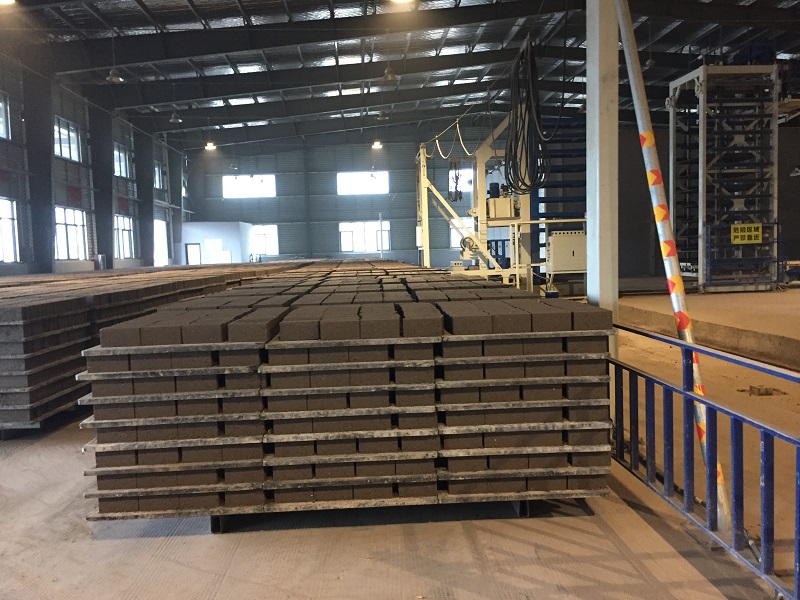
If you’re running a brick or block factory, chances are you’ve asked yourself this question at least once: “Why does one pallet cost $3 and another cost $15 — and which one is actually the better deal?”
The truth is, brick machine pallet pricing in 2026 varies a lot more than most buyers expect, and the cheapest pallet on paper is often the most expensive one over a 5-year period. In this guide, we’ll break down real 2026 price ranges by material, explain what actually drives the cost up or down, and show you how to calculate the true cost per pallet — not just the sticker price.
Quick Answer: 2026 Price Ranges by Pallet Type
| Pallet Type | Typical Price Range (USD/pc)* | Average Lifespan | Cost per Year of Use |
|---|---|---|---|
| Bamboo pallets | $2 – $4 | 2–4 years | Lowest upfront, highest long-term cost |
| PVC pallets | $4 – $7 | 4–6 years | Mid-range |
| Composite (glass fiber/GMT) pallets | $7 – $14 | 6–10 years | Lowest long-term cost |
*Prices vary significantly based on size, thickness, order volume, and whether you’re buying directly from a manufacturer or through a trading company.
The rest of this article explains why the range is so wide, and how to figure out which price actually makes sense for your factory.
1. Why Pallet Prices Vary So Much
Material is the biggest cost driver
Bamboo pallets are cheapest because the raw material and processing costs are lower — but they absorb moisture, warp faster under the vibration and weight of a brick machine, and typically need replacing every 2–4 years.
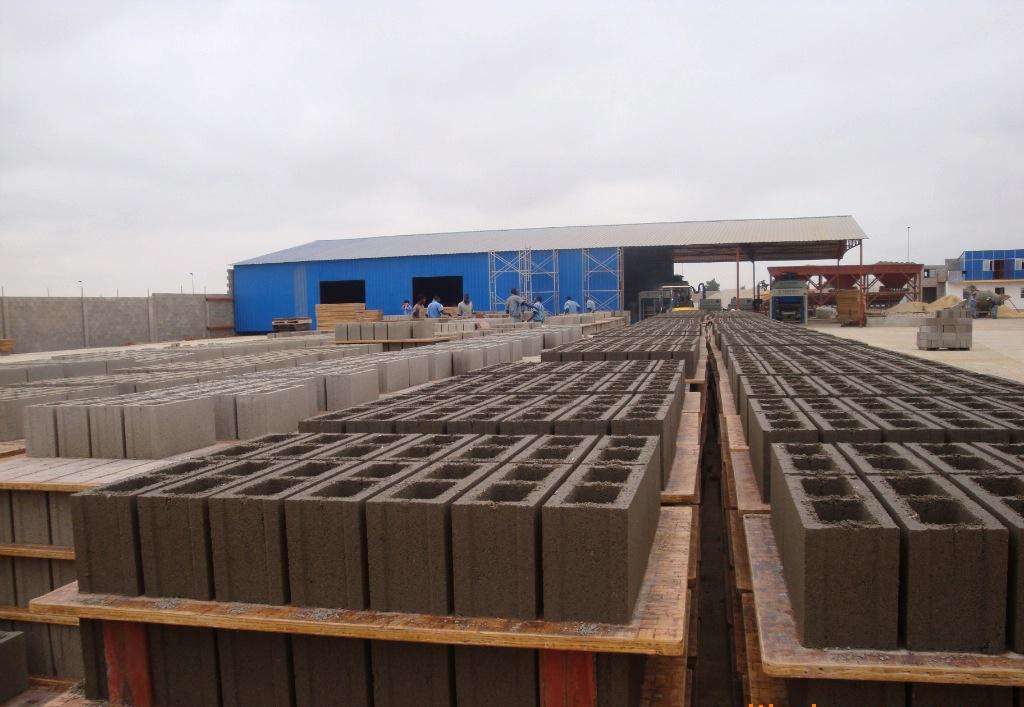
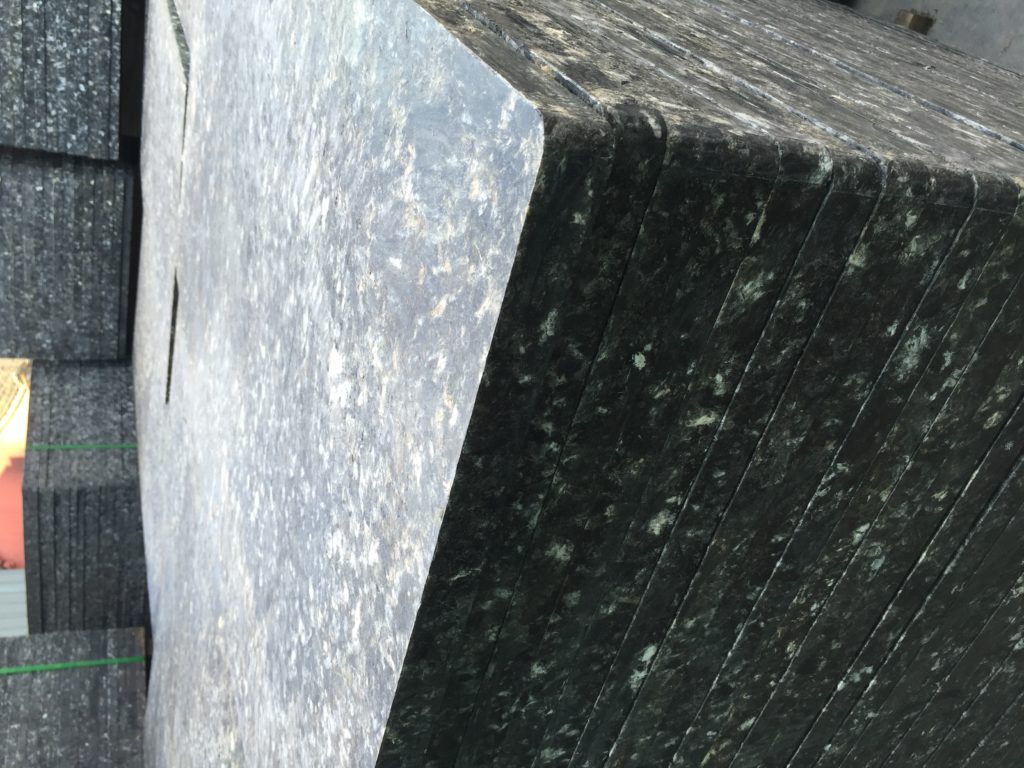
Composite pallets (often reinforced with glass fiber or GMT — glass mat thermoplastic) cost more upfront because the material itself is more expensive and the manufacturing process is more complex. But they resist warping, cracking, and moisture far better, which is why factories running high-volume production almost always end up switching to composite after a few rounds of buying cheaper pallets.
Size and thickness
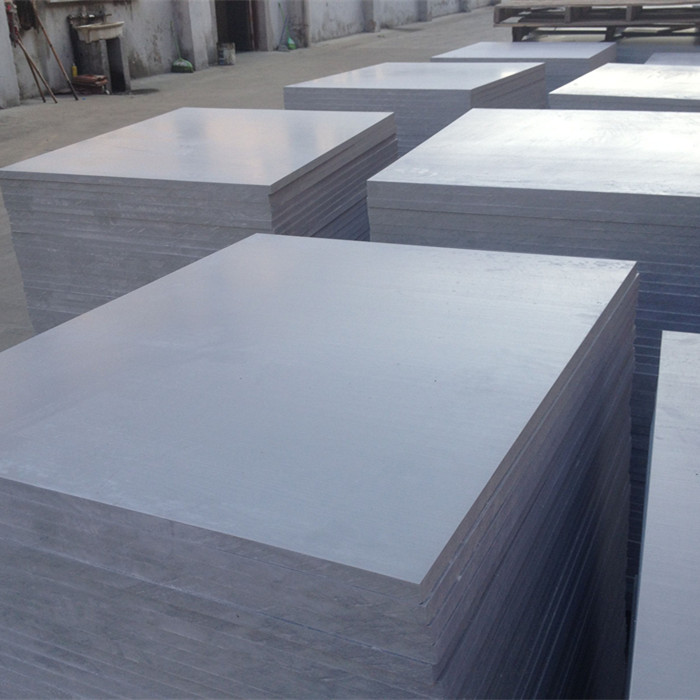
A standard block pallet (e.g., 900mm x 500mm or similar) will cost less than an oversized pallet for large paver or curbstone machines. Thickness also matters — a thin, cost-cut pallet might survive light-duty machines but fail quickly on high-pressure hydraulic or vibration-press machines.
Order volume
Like most manufactured goods, per-unit price drops significantly at higher volumes. A container-load order (see the container capacity section below) will get a noticeably better unit price than a small trial order of 50–100 pieces.
Who you’re buying from
This is the part most first-time buyers don’t realize: the same pallet can have a 20–40% price difference depending on whether you buy from the factory directly or through a trading company. Traders add a margin on top of the manufacturer’s price — which isn’t necessarily bad if they offer language support, smaller MOQs, or local logistics help, but it’s worth knowing where that margin is coming from.
2. The Hidden Cost Most Buyers Miss: Cost Per Year, Not Cost Per Piece
Here’s a simple way to compare pallets fairly. Instead of asking “which pallet is cheapest,” ask “what does this pallet cost me per year of production?”
Example calculation:
- Bamboo pallet: $3 upfront ÷ 3 years lifespan = $1.00/year
- PVC pallet: $5.5 upfront ÷ 5 years lifespan = $1.10/year
- Composite pallet: $10 upfront ÷ 8 years lifespan = $1.25/year
At first glance the composite pallet looks worse. But this simple math misses two things that matter a lot in real production:
- Replacement labor and downtime. Swapping out a full set of pallets every 2–3 years means labor cost, and often a few days of reduced output while new pallets break in or old ones are sorted and removed.
- Failure rate during use, not just at end-of-life. Bamboo and low-grade PVC pallets are more likely to crack or warp mid-cycle (not just wear out gradually), which can damage freshly formed blocks and cause rework. Composite pallets tend to fail predictably at end-of-life rather than randomly during production.
Show Image Composite pallets in use: fewer mid-cycle failures over a multi-year production run.
Once you factor in downtime and defect rates, most mid-to-large factories find that composite pallets have a lower real cost per year, even though the upfront price is higher. This is exactly why factories that start with bamboo or basic PVC pallets to save money often switch to composite pallets within 1–2 purchase cycles.
3. What a Fair 2026 Quote Should Include
When you request a quote, make sure you’re comparing apples to apples. A complete quote should specify:
- Material composition (e.g., glass fiber content, PP/PVC grade) — not just “composite” or “plastic”
- Exact dimensions and thickness, matched to your specific brick/block machine model
- Maximum load capacity
- Guaranteed lifespan (a reputable manufacturer should state this clearly, and stand behind it)
- MOQ (minimum order quantity)
- Price basis — EXW, FOB, or CIF, since freight can significantly change your landed cost
- Lead time
If a quote is missing several of these, it’s hard to know what you’re actually paying for — and it’s a common reason buyers end up disappointed with pallets that looked cheap but didn’t fit their machine or didn’t last as advertised.
4. How to Avoid Overpaying
- Buy direct from the manufacturer when possible. This is the single biggest lever on price. If you’re currently buying through a trader, ask them directly whether they manufacture or resource pallets — many are happy to clarify, and it helps you understand the margin structure.
- Match pallet spec to your machine, not the other way around. Buying a generic “one size fits most” pallet often leads to poor fit, faster wear, and false savings.
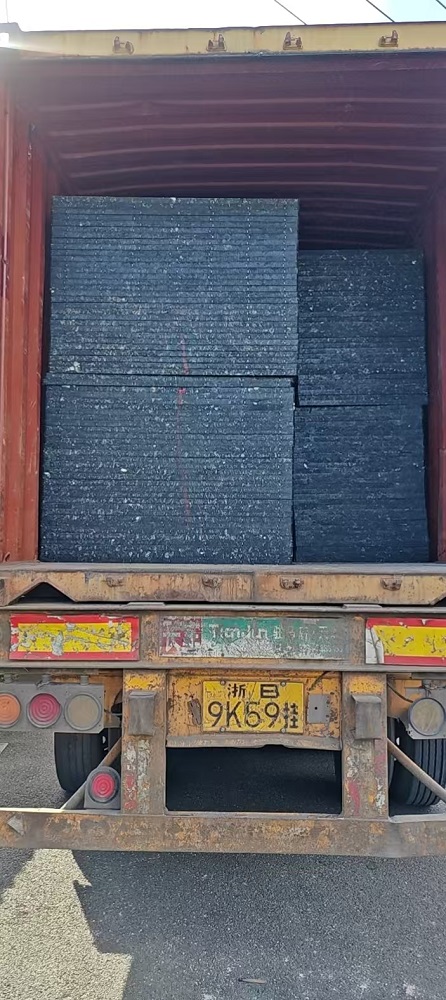
- Order by container, not by piece, if your volume allows it. Freight cost per pallet drops dramatically when you fill a container efficiently.
- Ask for the lifespan guarantee in writing. A supplier confident in their material will commit to this; one that won’t is a signal worth noting.
Final Thoughts
In 2026, brick machine pallet prices range roughly from $2 for basic bamboo pallets up to $14+ for premium composite pallets — but the “cheapest” option on the invoice is rarely the cheapest option for your factory once you account for lifespan, downtime, and replacement labor. For factories running consistent, high-volume production, composite pallets almost always win on true cost per year, even with a higher sticker price.
If you’d like a specific quote based on your brick machine model and production volume, contact our team — we’ll help you match the right pallet size and material rather than just sell you the cheapest option.